The Story
The journey of mtDNA haplogroup D4H4
Origins and Evolution
mtDNA haplogroup D4H4 is a downstream subclade of D4H, itself part of the widespread East Asian haplogroup D4. The parent clade D4H has an estimated time to most recent common ancestor in the Late Pleistocene/early Holocene (~16 kya). Based on its phylogenetic position and the distributions of closely related subclades, D4H4 most likely arose in Northeast Asia during the early Holocene (around 8 kya) as a localized diversification of D4H. Like other D4 subclades, its emergence is plausibly linked to post-glacial demographic expansions of hunter-gatherer and early Holocene coastal/inland populations in East Asia and adjacent Siberia.
Subclades
D4H4 is a terminal or near-terminal branch within the D4H family in many published trees and databases; it may contain a small number of further derived lineages in deep or population-specific surveys, but it is generally treated as a distinct low-frequency subclade. Its sister lineages within D4H (for example, D4h3a and other D4Hx lineages) show different geographic and demographic histories—D4h3a is well known for its role in peopling the Americas, whereas D4H4 appears more restricted to Northeast Asia and adjacent regions.
Geographical Distribution
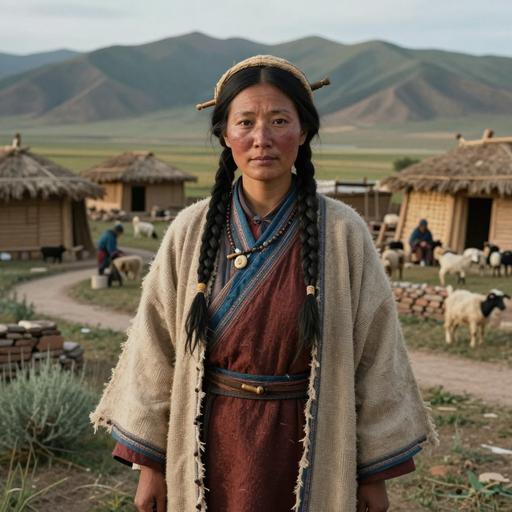
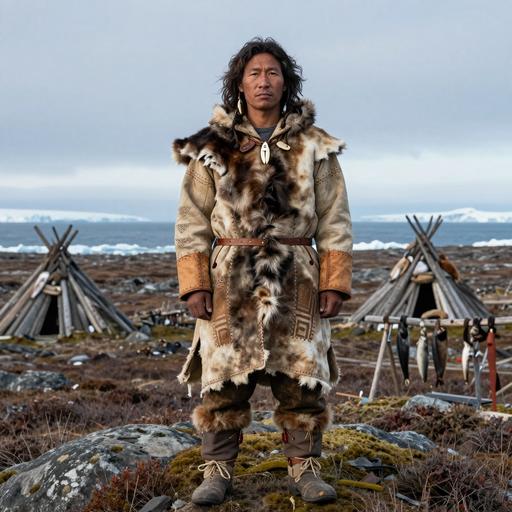
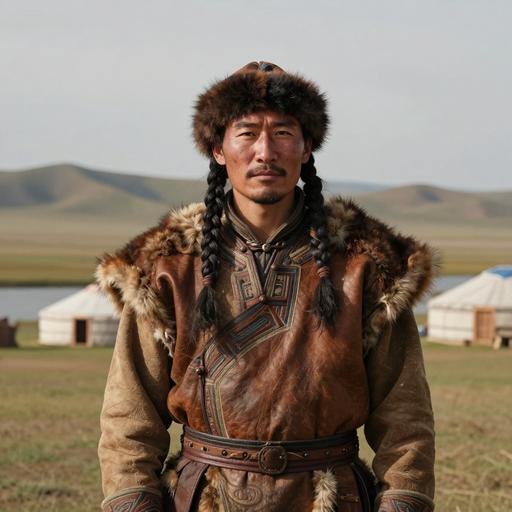
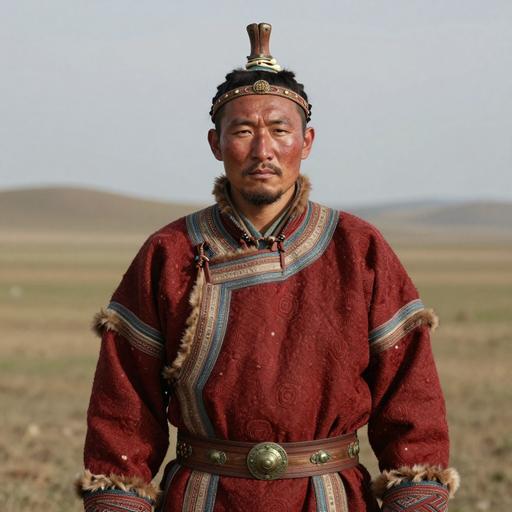
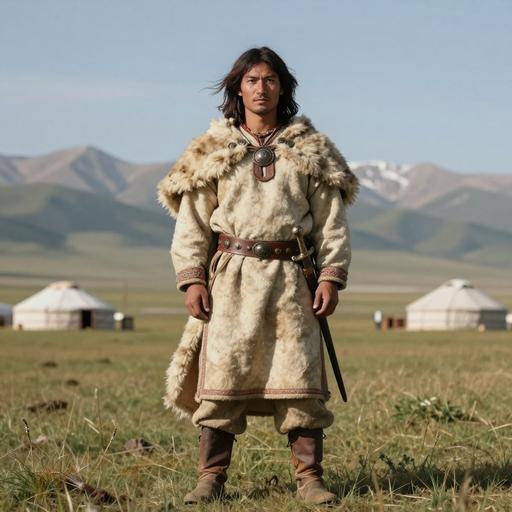
Empirical population genetics and sequence surveys show D4H4 is concentrated in East and Northeast Asia with moderate representation among Siberian indigenous groups. Frequencies are typically low at the population level, but the haplogroup can be informative for local maternal lineage studies. Modern detections include Han Chinese, Japanese, Korean, Mongolic and Turkic-speaking groups in Northeast Asia and some indigenous Siberian peoples (e.g., Evenk, Yakut, Yukaghir and related groups). Sporadic low-frequency occurrences are recorded in Central Asia and parts of Southeast Asia, usually interpreted as the result of historical gene flow or more recent admixture. A small number of ancient DNA samples assigned to D4-lineages from Jomon and other early Holocene contexts suggest continuity of related maternal lineages in the region, though D4H4 itself is relatively rare in published ancient datasets.
Historical and Cultural Significance
Because D4H4 is a low-frequency lineage nested within a broadly distributed East Asian haplogroup, its primary value is as a regional marker of maternal ancestry in Northeast Asia and neighboring Siberia rather than as an indicator of major continent-wide migrations. It likely reflects localized expansions or demographic continuity among Holocene hunter-gatherer and early farming populations in the region. In some archaeological contexts (e.g., Jomon-period and other northern East Asian remains) D4-related lineages highlight deep continuity of maternal ancestry; D4H4 may similarly reflect microregional histories such as coastal refugia, riverine resource economies, or later population movements in the Bronze Age and historic periods that transmitted East Asian maternal diversity into Central Asia.
Conclusion
D4H4 is best understood as a relatively recent (Holocene) Northeast Asian maternal subclade of D4H with a patchy distribution concentrated in East Asia and Siberia. It is uncommon but useful for fine-scale maternal genealogical and population-history studies within Northeast Asia. Interpretation of its presence in modern and ancient samples should be made in the context of co-occurring haplogroups, archaeological associations, and well-dated ancient DNA to distinguish deep local continuity from later admixture events.
Key Points
- Origins and Evolution
- Subclades
- Geographical Distribution
- Historical and Cultural Significance
- Conclusion