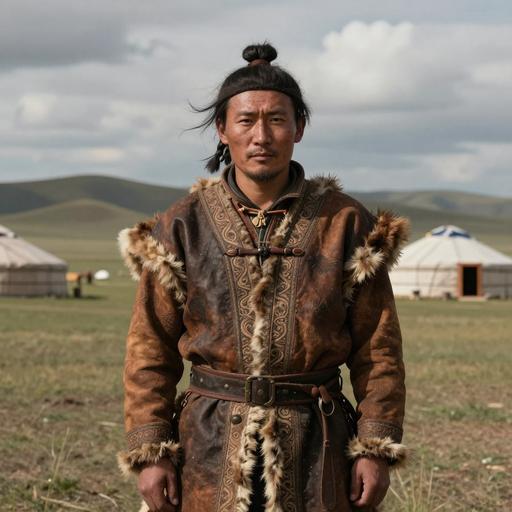
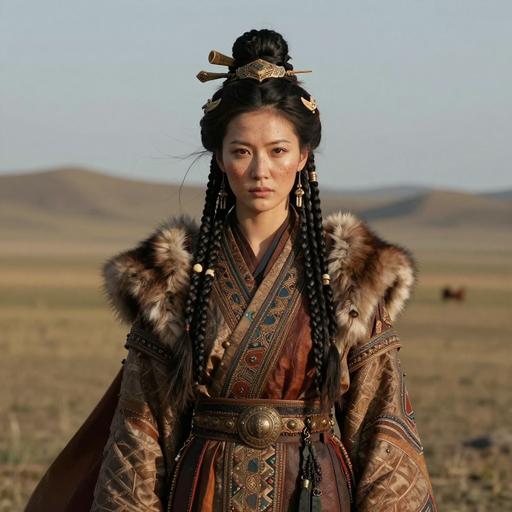
The Story
The journey of mtDNA haplogroup D4O2A2
Origins and Evolution
mtDNA haplogroup D4O2A2 is a downstream branch of the D4O2A lineage, itself nested within the broadly distributed East Asian haplogroup D4. Based on the phylogenetic position of D4O2A and observed time depths in related lineages, D4O2A2 most plausibly arose in Northeast Asia in the mid-Holocene (roughly ~6 kya) as a local maternal diversification within post-glacial and early Holocene populations. The lineage reflects the pattern of regional differentiation that many D4 subclades show following the Last Glacial Maximum and during the Holocene, when small-scale expansions, local continuity and population structure in northeastern Eurasia produced many low-frequency, geographically restricted haplogroups.
Subclades
As a downstream clade of D4O2A, D4O2A2 is considered an intermediate/terminal branch in available phylogenies. Published datasets and haplogroup catalogs report only a few confirmed samples, and the internal structure of D4O2A2 is not yet richly resolved in public databases; localized sublineages (e.g., hypothetical D4O2A2a) are possible as more complete mitogenomes are sampled from understudied Northeast Asian and Siberian populations. Continued targeted mitogenome sequencing of indigenous groups and ancient remains is likely to reveal finer substructure and allow time-calibrated branching within this clade.
Geographical Distribution
Empirical sampling and reasonable phylogeographic inference place D4O2A2 at low frequencies across a Northeast Asian–Siberian distribution, with sporadic occurrences reported in East Asian continental populations and some peripheral Central Asian groups. Confirmed and reported presence aligns with the following pattern:
- Low-frequency occurrences in Han, Japanese and Korean samples in broad surveys (typically rare or singletons).
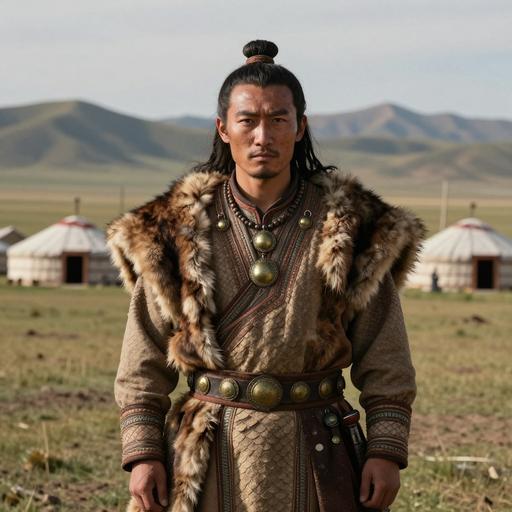
- Presence in indigenous Siberian groups (e.g., Yakut, Evenk, and neighboring Tungusic-speaking populations) where regional mitochondrial diversity includes many D4 sublineages.
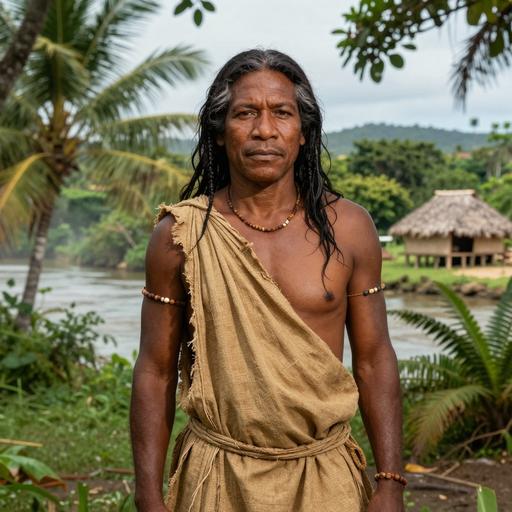
- Occasional finds among Jomon/Okhotsk-related island and coastal groups (for example Ainu or ancient samples with similar ancestry), consistent with regional maternal continuity in northern Japan and the Russian Far East.
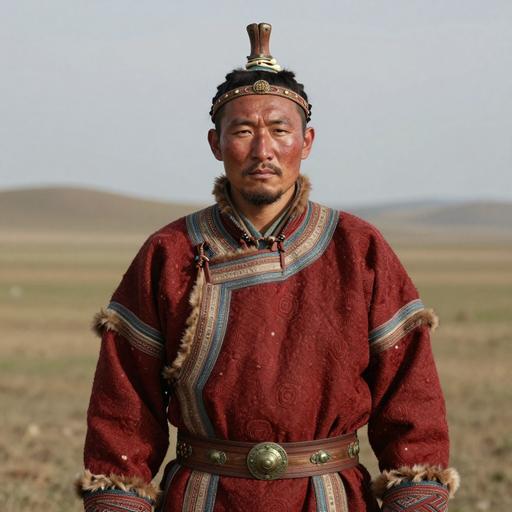
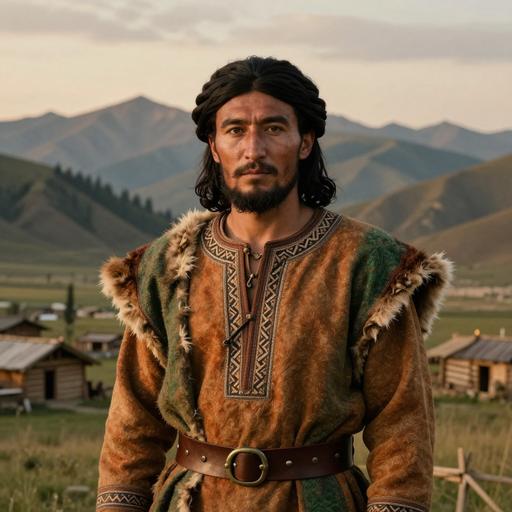
- Scattered low-frequency reports in Mongolic and some Turkic/Central Asian populations, likely reflecting long-distance gene flow or historical admixture rather than major demographic expansions.
Ancient DNA contexts have occasionally recovered related D4O2 lineages in Holocene hunter-gatherer remains from the Russian Far East and northern Japan, supporting a model of long-term local presence and limited dispersal.
Historical and Cultural Significance
D4O2A2 is not associated with wide, high-frequency demographic expansions; rather, its significance lies in revealing local maternal continuity and microdifferentiation across Northeast Asia during the Holocene. The haplogroup can help illuminate the maternal component of populations connected to:
- Holocene hunter-gatherer groups of the Russian Far East and northern Japan, providing a genetic signal consistent with archaeological continuity in some coastal and island contexts.
- Okhotsk-related and Ainu-associated lineages, where limited occurrences align with the complex mixture of Jomon-derived, continental East Asian, and Siberian ancestries seen in these populations.
Because D4O2A2 remains rare, it is not a marker of major archaeological cultures in the way that some widespread haplogroups are; instead, it functions as a complementary data point in studies of fine-scale maternal population history and regional continuity.
Conclusion
mtDNA haplogroup D4O2A2 is a low-frequency, regionally restricted maternal lineage best interpreted as a mid-Holocene Northeast Asian diversification of the broader D4 family. Its distribution across Siberian, Northeast Asian and peripheral Central Asian groups, and occasional appearance in ancient Holocene contexts, make it a useful marker for tracing local continuity and small-scale maternal structure in northern Eurasia. Future mitogenome sequencing—especially of under-sampled indigenous groups and ancient remains—will clarify its internal branching, precise age, and the demographic processes that shaped its present-day rarity.
Key Points
- Origins and Evolution
- Subclades
- Geographical Distribution
- Historical and Cultural Significance
- Conclusion