The Story
The journey of mtDNA haplogroup N1A1A1A
Origins and Evolution
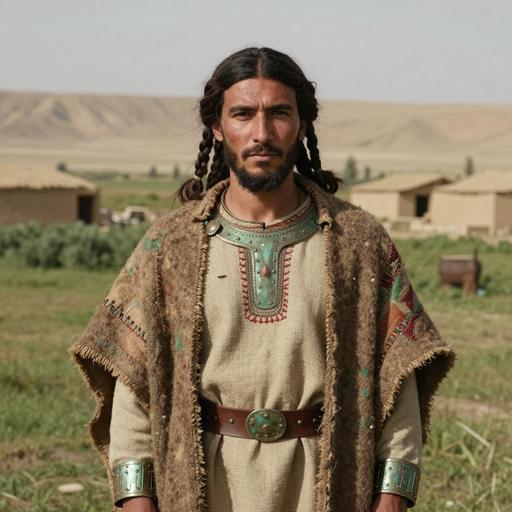
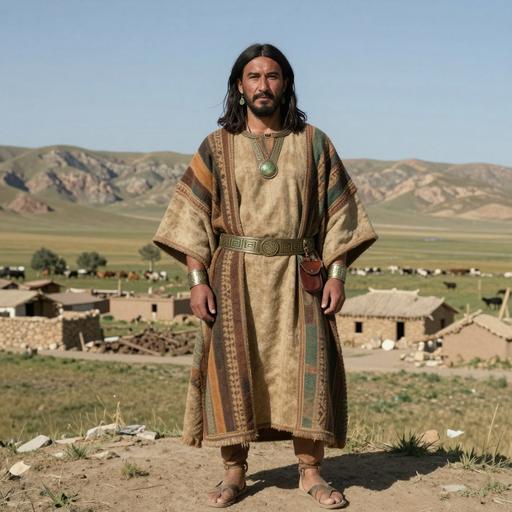
mtDNA haplogroup N1A1A1A is a downstream subclade of N1A1A1, itself part of the broader N1a radiation associated with the early Neolithic spread of farming from the Near East into Europe. Based on its phylogenetic position beneath N1A1A1 and the archaeological chronology of N1a-bearing samples, N1A1A1A most likely formed in the Near East/Anatolia during the early Neolithic (roughly 7–8 kya). Its emergence fits the model in which diverse maternal lineages present in Anatolian and Levantine source populations were carried into Europe by migrating farming groups.
Subclades (if applicable)
As a relatively deep downstream branch of N1A1A1, N1A1A1A exhibits limited but detectable internal diversification in ancient DNA datasets. Several regional sublineages have been reported in Neolithic Anatolian and Early European farmer contexts, though modern sampling shows few persistent, distinctive subclades at high frequency. The low modern frequency and patchy ancient sampling mean that fine-scale internal structure is still incompletely resolved and likely to expand as more ancient mtDNA genomes are published.
Geographical Distribution
N1A1A1A is primarily documented in Neolithic Anatolian and Early European farmer assemblages and in modern populations at low frequencies across parts of the Mediterranean and Near East. Ancient DNA records show the haplogroup in Anatolian Neolithic sites and in Early European Neolithic cultures (for example LBK- and Cardial-related remains), consistent with a demic diffusion scenario from Anatolia into Europe. In modern populations, N1A1A1A-equivalent lineages occur at low frequencies in southern Europe (Italy, Greece, Iberia), in parts of the Caucasus and Iran at low-to-moderate levels, and as sporadic occurrences in North Africa, the Horn of Africa, and parts of Central Asia. These modern distributions likely reflect a mixture of Neolithic dispersal, later regional migrations, and genetic drift.
Historical and Cultural Significance
Because of its association with the broader N1a clade, N1A1A1A is important for reconstructing the maternal component of the Neolithic agricultural package that spread into Europe. In archaeological contexts, N1a lineages — including N1A1A1A descendants — have been found in Early Neolithic communities (e.g., Anatolian farming sites, LBK in Central Europe, and Cardial/Impressed Ware contexts along the Mediterranean), where they co-occur with other farmer-associated maternal haplogroups (such as H, J, T2, and K) and with Y-chromosome haplogroups like G2a. The subsequent reduction of N1a frequencies in many modern European populations illustrates processes of post-Neolithic admixture, population replacement, and drift that reshaped maternal diversity after the Neolithic.
Conclusion
N1A1A1A represents a specific branch of the Neolithic-associated N1a maternal lineage that helps trace early farmer migrations out of Anatolia into Europe. Its presence in multiple ancient farming contexts and its low modern frequency make it a useful marker for studying the demographic impact of the Neolithic transition and for tracking subsequent population processes across the Mediterranean and adjacent regions. Ongoing sampling of ancient and modern mtDNA will refine the phylogeny and clarify the timing and routes of dispersal for this lineage.
Key Points
- Origins and Evolution
- Subclades (if applicable)
- Geographical Distribution
- Historical and Cultural Significance
- Conclusion