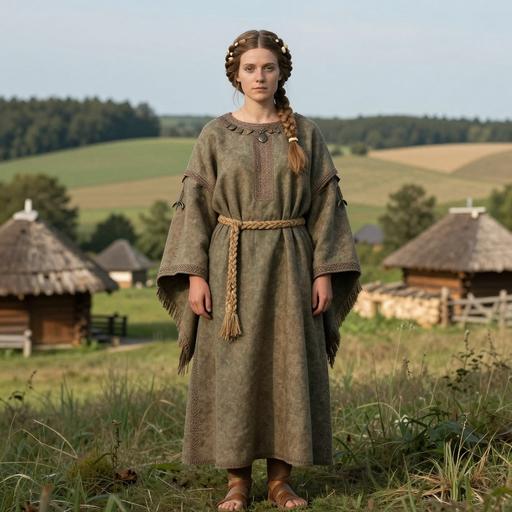
The Story
The journey of mtDNA haplogroup U4B1B1G1
Origins and Evolution
mtDNA haplogroup U4B1B1G1 is a downstream subclade of the U4B1B1 branch of haplogroup U4, a maternal lineage long associated with European and northern Eurasian Mesolithic hunter-gatherer populations. Based on phylogenetic position and branch-length expectations within U4, U4B1B1G1 most likely arose in the Early Holocene (postglacial period) in Northern or Northeastern Europe, roughly around the time of regional recolonization after the Last Glacial Maximum (~8.5 kya as a working estimate). Its low present-day frequency and the small number of recorded ancient occurrences suggest a history of regional persistence, genetic drift, and limited dispersal rather than a major demic expansion.
Subclades (if applicable)
U4B1B1G1 is itself a fine-scale tip clade within U4B1B1G. Because it is rare, the internal structure (further subclades of U4B1B1G1) is poorly resolved in public datasets; continued sampling and full mitochondrial genome sequencing of modern and ancient individuals will be required to determine whether U4B1B1G1 contains sublineages with geographically restricted distributions or whether it remains a shallow, sparsely branching terminal clade. In practice, U4B1B1G1 is treated as a localized derivative of U4B1B1G in phylogeographic analyses.
Geographical Distribution
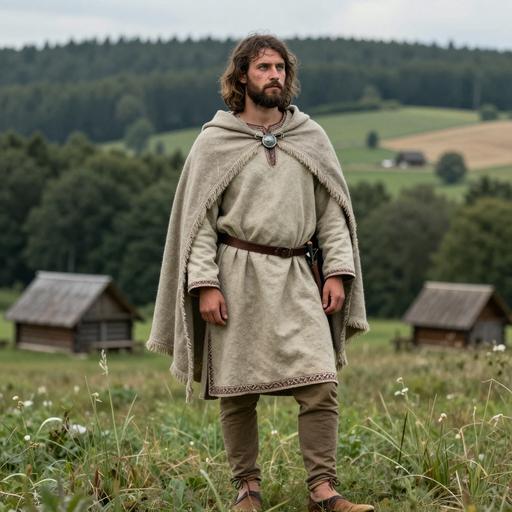
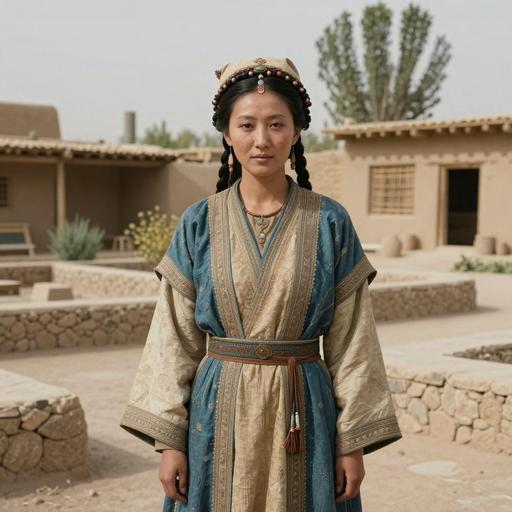
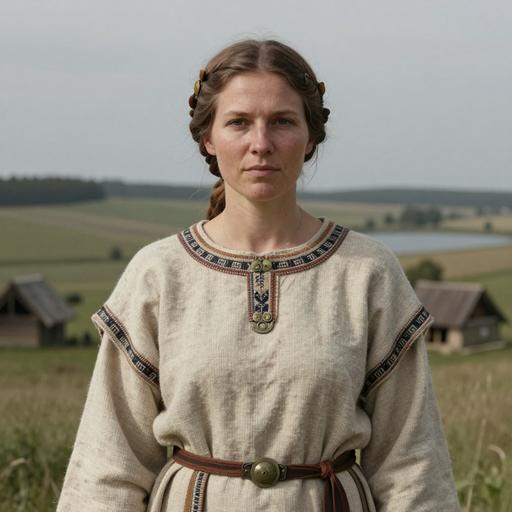
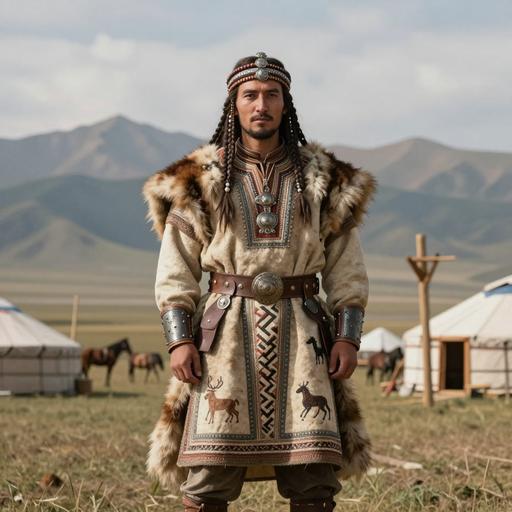
The clade is recorded at very low frequency across northern and northeastern Europe and into adjacent parts of northern Eurasia. The strongest evidence places its origin and highest relative density in Scandinavia, the Baltic region and northwest Russia, with sporadic occurrences reported in parts of Siberia and Central Asia and isolated/very-low-frequency finds in the Caucasus and South Asia. Its presence in at least four ancient DNA samples confirms that U4B1B1G1 occurred in archaeological contexts, consistent with continuity of some Maternal lineages from Mesolithic/early-Holocene foragers into later periods in northern Eurasia.
Historical and Cultural Significance
U4 and its subclades are frequently interpreted as markers of postglacial European hunter-gatherer maternal ancestry. U4B1B1G1 fits this pattern as a peripheral, regionally restricted descendant that likely reflects local continuity of forager populations in parts of Northern and Eastern Europe. Because the clade is rare, it has not been tied to a single major archaeological expansion such as the Neolithic farmer dispersal or the Bronze Age steppe migrations; rather, it is best viewed as part of the mosaic of maternal lineages that persisted in northern landscapes and later admixed into incoming farming and steppe-associated communities. The low-frequency occurrences outside northern Europe (Central Asia, Caucasus, South Asia) plausibly reflect long-distance gene flow, later historic movements, or sampling of small founder events rather than primary centers of origin.
Conclusion
U4B1B1G1 is a narrowly distributed, low-frequency mtDNA subclade representing a postglacial hunter-gatherer-derived maternal lineage centered in Northern/Eastern Europe. Its rarity makes it a useful marker of localized continuity and drift in regions where it is observed, but the small number of samples limits detailed demographic inference. Expanded mitogenome sequencing of both modern and ancient individuals in northern Eurasia will improve resolution of its phylogeny and past geographic dynamics.
Key Points
- Origins and Evolution
- Subclades (if applicable)
- Geographical Distribution
- Historical and Cultural Significance
- Conclusion