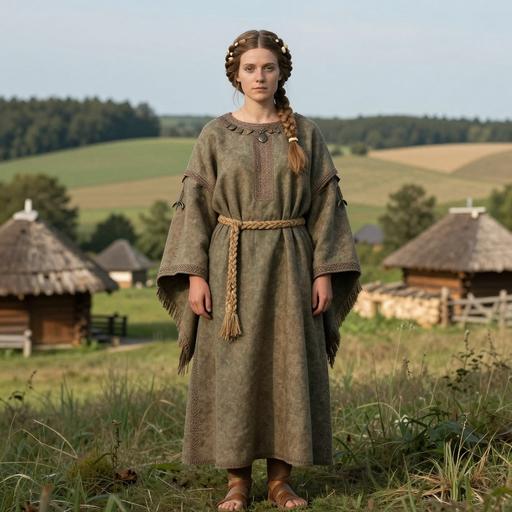
The Story
The journey of mtDNA haplogroup U5B2A7
Origins and Evolution
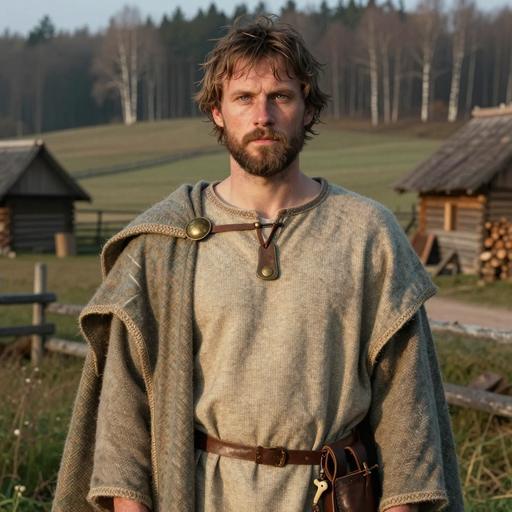
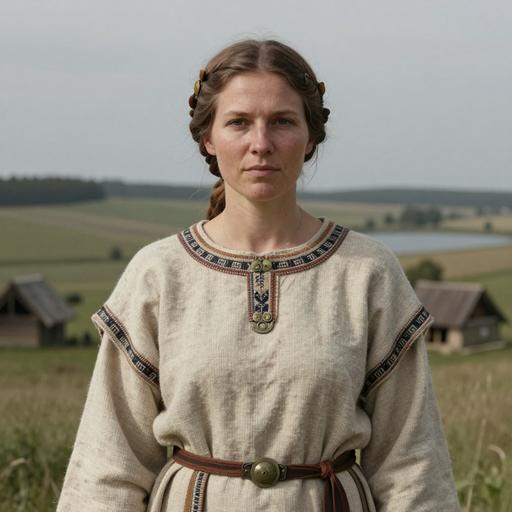
U5B2A7 is a downstream branch of U5B2A, itself a subclade of the broader U5 maternal lineage that is deeply rooted in European prehistory. The U5 haplogroup is strongly associated with Late Glacial and Mesolithic hunter‑gatherer populations across Europe; U5B2A7 likely split from other U5B2A lineages during the early postglacial period as human groups reoccupied northern and western parts of Europe after the Last Glacial Maximum. Based on its phylogenetic position under U5B2A (parent clade dated around ~11 kya) and the limited available ancient DNA evidence, a reasonable time estimate for the emergence of U5B2A7 is roughly ~9 kya, consistent with a post‑glacial Mesolithic origin in Western/Northern Europe.
Subclades (if applicable)
At present U5B2A7 appears to be a relatively small, terminal branch with very few resolved downstream subclades reported in the literature and databases. The lineage is represented by a limited number of modern samples and at least two ancient DNA occurrences in curated datasets, indicating antiquity but limited radiation compared with major U5 branches. As more complete mitogenomes are generated from both modern and ancient samples, additional substructure may be discovered within U5B2A7 or closely related nodes of U5B2A.
Geographical Distribution
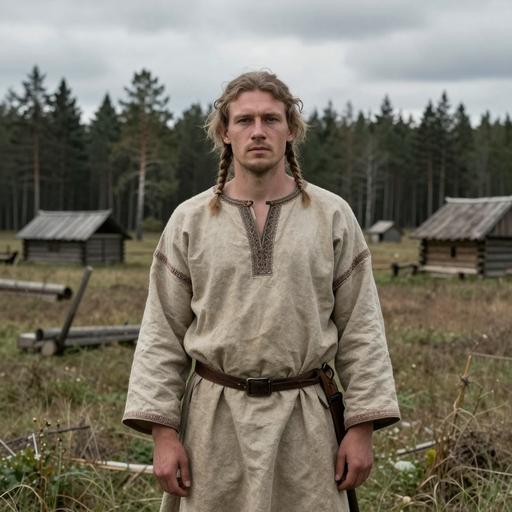
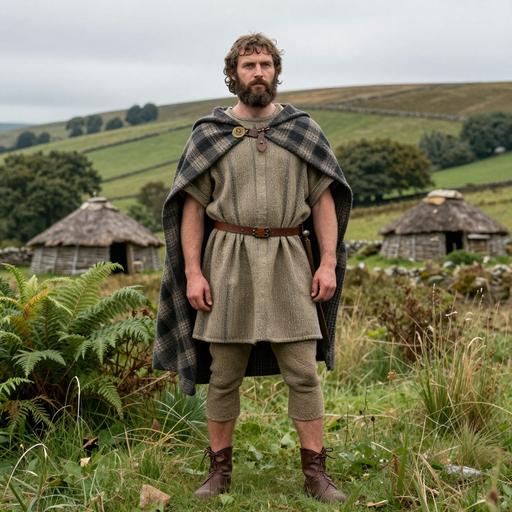
The geographic footprint of U5B2A7 mirrors the broader U5B2A distribution but is typically at lower frequency and more locally concentrated. Highest representation is in Northern and Western Europe, particularly among populations with elevated Mesolithic ancestry (for example some Scandinavian and northwestern European groups). The haplogroup is also observed at lower, sporadic frequencies in Central and Eastern Europe, and isolated occurrences have been reported in North Africa and the Caucasus/Anatolia, likely reflecting complex later migrations and gene flow. Its persistence in modern populations reflects continuity of maternal lineages from Mesolithic foragers through to later periods, albeit often diluted by incoming Neolithic and Bronze Age maternal lineages.
Historical and Cultural Significance
Because U5 and its subclades are hallmark lineages of Mesolithic European hunter‑gatherers, U5B2A7 is informative for studies of postglacial recolonization, forager refugia, and the degree of hunter‑gatherer maternal continuity after the Neolithic transition. U5B2A7 itself, while not among the most common U5 subclades, can serve as a marker for localized maternal continuity in northern and western Europe and can help trace connections between modern populations and ancient forager groups. Its low but persistent frequency through the Neolithic and Bronze Age illustrates how some Mesolithic maternal lineages survived and mixed with incoming farming populations.
Conclusion
U5B2A7 is a modestly sized, regionally focused branch of the ancient European U5 lineage. It most likely arose in Western/Northern Europe during the early Holocene and represents maternal ancestry carried by post‑glacial hunter‑gatherer groups. Although currently represented by only a few ancient and modern mitogenomes, U5B2A7 remains a useful lineage for understanding maternal continuity and local demographic histories in northern and western Europe. Continued sampling and full mitogenome sequencing—particularly from archaeological contexts—will clarify its internal structure and finer geographic history.
Key Points
- Origins and Evolution
- Subclades (if applicable)
- Geographical Distribution
- Historical and Cultural Significance
- Conclusion